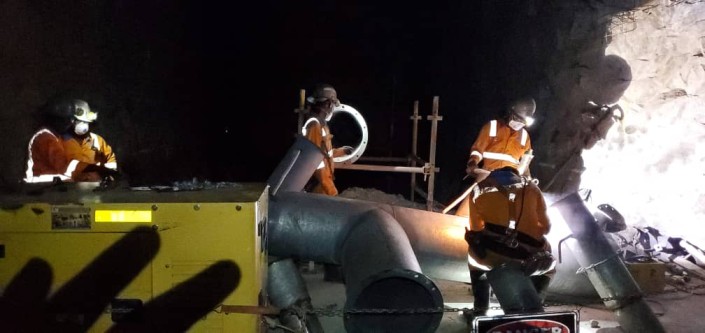
Rubber lining is a critical engineering solution used to protect industrial equipment from corrosion, abrasion, and chemical attacks. It is commonly applied to tanks, pipes, valves, and other surfaces that are exposed to harsh environments.
Why is Rubber Lining Important?
Rubber lining offers multiple engineering benefits, including:
- 🛡 Corrosion Resistance – Protects metal surfaces from acids and chemicals.
- 🔄 Extended Equipment Life – Reduces wear and tear, improving durability.
- 📉 Cost Efficiency – Reduces maintenance and replacement costs.
- 🔇 Noise Reduction – Acts as an insulator, minimizing vibration and noise.
Types of Rubber Lining
Rubber lining comes in various forms depending on the application:
- 🌊 Natural Rubber Lining – High elasticity, excellent for water treatment plants.
- ⚗ Neoprene Rubber Lining – Resistant to oils, chemicals, and ozone exposure.
- 🔥 EPDM Rubber Lining – Withstands extreme temperatures and harsh environments.
- ⚙ Butyl Rubber Lining – Used in industrial tanks due to gas impermeability.
Applications of Rubber Lining in Engineering
Rubber lining is widely used in various engineering fields:
- 🏭 Chemical Processing Plants – Protects storage tanks from chemical damage.
- 🚛 Mining & Material Handling – Used in pipes, chutes, and conveyor belts.
- 🚢 Marine Industry – Coats ship interiors for corrosion resistance.
- 🚧 Construction – Waterproofing and soundproofing applications.
Conclusion
Rubber lining is an essential engineering technique that enhances the longevity, efficiency, and safety of industrial systems. By applying the right rubber lining material, industries can significantly reduce operational costs and improve equipment reliability.